Everything around living! / Home Improvement
Good Lighting Is Design — Even If You Don’t Care About Design
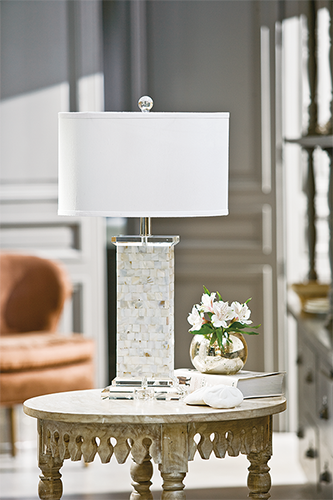
You don’t need to love design.
You don’t need to follow trends.
You don’t need to know what “mid-century” or “Japandi” means.
But you do live in your home. And that’s where lighting quietly does more work than almost anything else.
Most people think design is about furniture, colors, or expensive pieces. In reality, lighting is what makes a room feel calm, welcoming, focused, or exhausting — often without you realizing why.
And the good news? Getting it right doesn’t require a degree, a big budget, or perfect taste.
You Don’t Need Design Rules
Let’s get this out of the way:
Good lighting is not about rules.
It’s not about matching styles or buying “statement” lamps. It’s about how a room feels when you’re actually using it — sitting down, talking, reading, winding down at night.
If a room feels harsh, flat, or uncomfortable, it’s rarely because the sofa is wrong. It’s usually because the lighting is.
Why Bright Rooms Often Feel Wrong
A common assumption is: more light = better.
That’s why so many homes rely on one strong ceiling light to do everything. It’s efficient. It’s practical. And it’s usually the reason the room feels a little off.
Overhead lighting is great for cleaning, cooking, or finding something you dropped. But for living? It flattens everything. Faces look tired. Corners feel empty. The room loses depth.
Comfort comes from light that’s closer to where life actually happens.
Lamps Are Not Decoration (They’re Tools)
A lamp isn’t just something you place on a table to “finish the look.”
It’s a tool that:
-
softens a room
-
creates focus where you need it
-
makes evenings feel slower and calmer
-
turns a space from functional into livable
A single floor lamp in the right corner can completely change how a room feels — even if nothing else changes.
That’s not styling. That’s common sense.
Small Changes, Big Difference
You don’t need to replace everything. Start small:
-
Add one lamp where you usually sit
-
Use warm light, especially in the evening
-
Turn off the ceiling light once you’re done with tasks
-
Spread light across the room instead of blasting it from above
These are small moves, but they change how a space feels instantly.
A Simple Rule Anyone Can Follow
If there’s one rule worth remembering, it’s this:
Every room should have at least two or three light sources — and none of them need to be fancy.
That’s it.
Good lighting isn’t about impressing anyone.
It’s about making your home feel like a place you actually want to be.
And that’s design — even if you never thought you cared about it.
5 Ways to Mix Lamp Styles Without Clashing
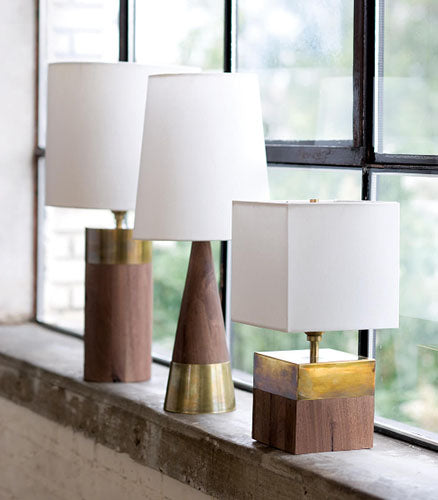
Learn how to confidently mix different lamp styles in your home without creating a cluttered look. Discover five expert tips for combining modern, traditional, and eclectic lighting to create a cohesive, designer-worthy space.
Toxic free living

Living in a toxic-free environment is essential for maintaining good health and overall well-being. With the increasing awareness of the harmful effects of toxins in our everyday products, many people are now opting for a toxic-free lifestyle. But what exactly does toxic-free living entail?
Understanding Toxicity Levels
Toxicity levels in everyday products can vary significantly, with some items containing harmful chemicals that can have long-term health effects. By understanding the potential risks associated with these toxins, individuals can make informed decisions about the products they bring into their homes.
Identifying Toxic Products
Common household items such as cleaning products, personal care products, and even furniture can contain harmful toxins. It's important to read labels carefully and look for certifications that indicate a product is free from harmful chemicals. Opting for natural, organic, or eco-friendly alternatives can help reduce exposure to toxins.
Creating a Toxic-Free Home
Creating a toxic-free home involves making conscious choices about the products you use on a daily basis. This can include switching to non-toxic cleaning products, using natural skincare products, and investing in organic bedding and furniture. By gradually replacing toxic items with safer alternatives, you can create a healthier living environment for you and your family.
Benefits of Toxic-Free Living
Living in a toxic-free environment can have numerous benefits for your health. By reducing exposure to harmful chemicals, you may experience improved respiratory health, clearer skin, and a stronger immune system. Additionally, toxic-free living can contribute to a more sustainable lifestyle, benefiting the environment as well.
Overall, toxic-free living is a conscious choice that can have a positive impact on your health and the environment. By educating yourself about the potential risks of toxins in everyday products and making informed decisions, you can create a safer and healthier living space for yourself and your loved ones.
It can be overwhelming at first.
So where to start? Read the Ingredients! Get an app!
https://yuka.io/en/ this is a great app! Reads all ingredients and gives you warnings about toxic or suspicious ingredients with explanations about it! Works for most food and cleaning items!
Bobby approved is another good app!
Table lamp or Floor Lamp
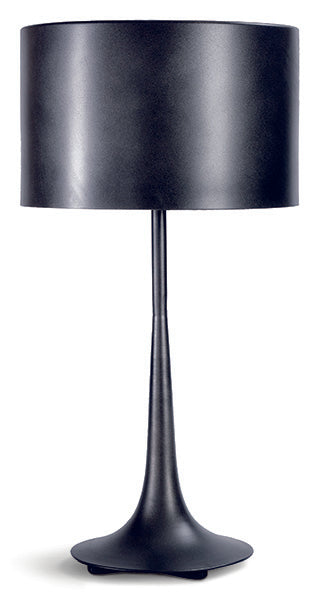
Table Lamp Materials
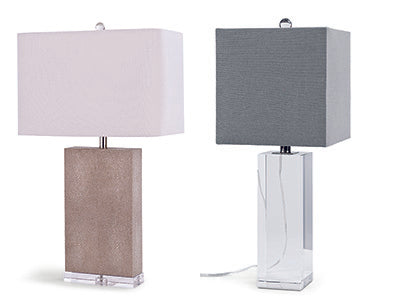
Discover the different materials used in table lamps and how each one affects style, durability, and ambiance. From classic metal and elegant ceramic to modern glass and warm wood, learn which lamp material is perfect for your space.
The Lamp Shop Lamps :-))
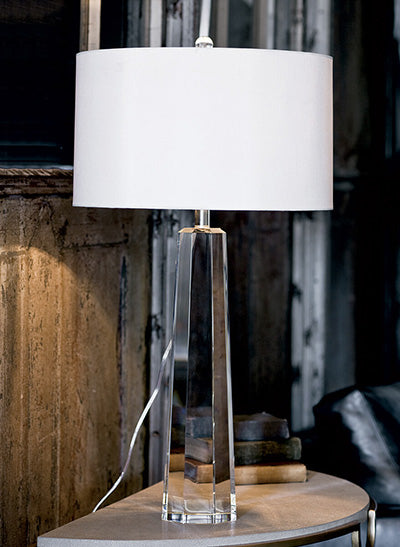
Willkommen bei The Lamp Shop! Entdecke unsere sorgfältig ausgewählte Kollektion hochwertiger Lampen für jeden Raum. Von eleganten Tischlampen bis zu stilvollen Stehlampen – finde die perfekte Beleuchtung für dein Zuhause.


